Tuesday, August 30, 2011

Sack Lunch Savvy for School


Back to school fashions are strutting their stuff in the cafeteria, too. Brown paper bags are fading away and insulated lunch containers are taking over.
The Little Mermaid for Little Lunchers 

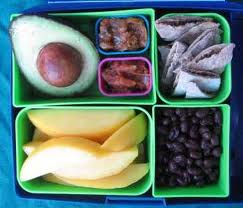
Bento Boxes are great for kids who don't want food "to touch" 

 The simple sandwich is being replaced by a selection of bites presented bento box style, “It’s kind of like making your own “lunch-ables," says Sandy Nissenberg dietitian and author of Brown Bag Success: Making Healthy Lunches Your Kids Won't Trade. “You buy a plastic container and fill the compartments with fun lunch options like cherry tomatoes, cheese cubes on a kabob, turkey tortilla roll-ups, cold chicken pasta salad or mini chicken drumsticks. Add a fruit on the side, get milk at school and you’re good to go.” Nissenberg likes this mix-and-match small bites approach because it appeals to child-sized appetites and lunch periods at most schools are pretty short, “By the time a child finds a seat, talks to his friends, and finally pulls out his lunch, there may be only 15 minutes to eat. Most large lunches will probably get thrown out." Easy to peel Clementines or pre-sliced oranges and apples are more likely to be eaten than whole fruit. That’s especially true for kids with loose teeth or braces.  
Kids don't know the half of it.....half should be fruit/veggies. 

My Lunch MyPlate
Whether the cafeteria bound container is festooned with Hello Kitty, Justin Bieber or the Atlanta Falcons’ logo – what’s inside matters to child nutrition experts. The new USDA My Plate nutrition icon indicates one half of a healthy plate should be filled with fruit and vegetables, with the two other quarters occupied by a lean protein and a whole grain starch. To complete the meal -on the side of MyPlate is a cup of milk. This same food philosophy can be used to fill a lunch box. How do you get beyond the usual carrots and celery sticks solution?  Liz Weiss, dietitian and co-author of No Whine With Dinner suggests mixing in chickpeas and blanched broccoli florets to pasta salads and add variety to veggie snack offerings, “Cucumber wheels, red or orange bell pepper strips, sugar snap peas or snow pea pods. Add some Ranch or other dressing like hummus for dipping because the oil in these dips actually helps kids absorb more nutrients from the veggies.”  
What about the teens and ‘tweens easily distracted by the lunch time social hour? That table of ‘gossip girls’ busy checking out the handsome new boy don’t want to be seen gobbling a big sandwich like a hungry ranch hand. The new breed of whole grain sandwich or bagel ‘thins’ might be a better fit with 100 calories and 5 grams of fiber. For something sweet yet figure-friendly they may prefer to daintily dip grapes, strawberries or pineapple chunks into protein packed Greek yogurt.

Food Safety Patrol
Thrown in a locker, stuffed in a backpack or stashed under a desk for several hours, sandwiches and other lunch foods can linger in the bacteria friendly room temperature “danger zone” between 40 and 140 degrees for too long.  Researchers at the University of Texas in Austin found that 95% of packed lunches in a recent study were at an unsafe temperature. That’s why insulated lunch bags and boxes- many with a space to add an ice pack- get an “A” from food safety experts. Dietitian Jo-Ann Heslin author of the nutrition counter series for Pocket Books suggests you start thinking ‘cool’ the night before, “If you pack lunch in the morning, chill the lunchbox in the refrigerator overnight. If you pack lunch at night, put the food in the lunchbox and refrigerate both overnight. This helps keep all foods cooler longer.”  A thermos can keep hot soups hot but it can keep salads cool, too so they’re still crisp and cold at lunch time. Note: Perishable foods can sit in the danger zone for up to 2 hours before the lunch becomes risky.
Some lunch bags are built to carry cold packs 
                        
Something Extra.
Since fast food restaurants succeed in attracting attention to their childrens’menus with toys and prizes perhaps two can play at this game. Nissenberg suggests, “Don't forget to add a character napkin for fun or maybe an inspiring note or fun message. It will bring along a smile during lunch.” 


Tuesday, July 26, 2011

Savor Steaks South America Style

La Cabrera parilla in Palermo Hollywood section of BA.
 I’ve got Argentina on the mind this week. My daughter Katie just began a four month stay in Buenos Aires for a university program focused on Spanish and international business. Hopefully she’ll return fluent in the language and learn lots about a culture famous for tango and fabulous steaks. At 20 she’s old enough to legally enjoy Argentina’s signature red wine, Malbec, too. (At least while she’s living there!)


Another reminder of Argentine cuisine arrived in a newsletter from dietitian colleagues who are members of the Food and Culinary Practice Group of the American Dietetic Association. Paula Tsufis wrote about the groups’ trip to sample South American food customs such as ‘asado’, Argentina’s traditional barbecue of meats and empanadas as she described, “Turnovers filled with a mixture of ground meat cooked with onions, olives and raisins.”

Steaks are meant for sharing; condiments are inspiring.
La Cabrera parilla in BA. 


Argentines eat 160 pounds of beef per capita, and their tender, deeply flavored grass-fed beef (typically charred on an open fire called a parilla) is considered among the best in the world. During a visit to Buenos Aires a couple of years ago, I really liked that steaks were sliced to share and served with lots of different savory condiments such as pickled onions and chimichurri sauces made with olive oil, vinegar, finely chopped parsley, onion, garlic and herbs. When you add that kind of punch to the parilla plate you don’t need a Texas-sized steak hanging off the plate, as you see in a lot of U.S. steak houses. In Argentina the expertly seasoned and grilled cuts of beef, lamb or pork may be center stage, but interesting salads, such as hearts of palm with tomato, onion and green olives grace the tables, too. In Argentina the dining style is more European, with smaller portions, and the pace is slow and easy. The feel and flavors of Argentina, as well as other Latin cuisines, are a specialty at Pura Vida Tapas & Bar in the Poncey-Highlands neighborhood. Puerto Rican born chef Hector Santiago’s menu celebrates the cuisines of South and Central America. He grills hangar steak “parilla” style on a charcoal grill and serves with an Argentine inspired house made chimichurri sauce.

Steak Places Can Be Healthy

Believe it or not, steak restaurants in the U.S. can be among the easiest places to find a healthy meal. You get to pick the size of your steak so portion control is built into the menu options. There are usually delicious salads to choose from and most side dishes are served a la carte so you can order steamed broccoli without the cheese sauce. Just don’t count that huge stack of onion rings as a vegetable serving.


While heavily marbled steaks have been prized in the past, there’s a move at modern steak houses to serve leaner cuts of beef such as tenderloin and sirloin and to prepare them with health conscious steak lovers in mind. Executive chef Ian Winslade of Murphy’s Restaurant has added a grilled strip steak to the menu served with a tangy sesame mustard sauce and sliced Portobello mushrooms. Owner Tom Murphy notes that since many customers eat at the Virginia Highlands restaurant multiple times a week - for lunch and dinner - there’s an emphasis on taste and health. Strip steaks are among the 29 cuts of beef considered “lean” which by the official USDA definition which is: less than 10g total fat and less than 95mg cholesterol per 3.5 oz. serving. Another nutrition note: lean beef provides needed nutrients such as iron, zinc, vitamin B-12, vitamin B-6, riboflavin and of course protein. Even The Capital Grille in Buckhead, known for big steaks, big martinis and big red wines is lightening up for summer. Lunch guests can mix-and-match three choices from nine small plate offerings including mini-beef tenderloin sandwiches.

Choose Steak Accessories Wisely


Hearts of palm and tomato salad at parilla in BA.

Saddle Up:

Sliced tomatoes-add a sprinkle of salt and grind or two from the pepper mill

Coleslaw- ask for your cabbage lightly tossed with the slaw dressing.

Baked potato-whether white or sweet, a half is usually the right size portion since steak places buy huge spuds.

Steamed Vegetables- a squeeze of fresh lemon is all you need.

Sautéed Spinach and mushrooms – ask the kitchen to go light on the butter or oil

Steak sauce- no fat, 15 calories per tablespoon.

Chimichurri sauce- olive oil based, 50 calories per tablespoon.


"Steer" Clear:

Mashed potatoes- some recipes are so high in fat they’re more like potato ice cream!

Potato au gratin – any food followed by “au gratin” means it’s loaded with cheese.

Creamed Spinach- rich tasting for a reason; heavy cream and butter often involved.

Onion rings-deep fat fried and the size of CD case. Share an order per table.

Béarnaise / Hollandaise- cream and butter based, 70 calories per tablespoon.

Selection of wines at Buenos Aires Airport is Excellente! 

Argentina here I come! I'll be back in October 2011! 


Tuesday, July 19, 2011

Follow that food truck!


Follow that food truck. Whether it’s up the street, over at the farmer’s market or on Twitter and Facebook there’s a bumper crop of cooks serving meals from mobile kitchens this summer. Greg Smith, president of the Atlanta Street Food Coalition, “It’s like we had pressure on the dam and it burst. It started with King of Pops carts and the Yumbii truck and now we’ve got at least ten trucks fully permitted by the health department.” A far cry from the neighborhood ‘ice cream man’ and hot dog stands; the food truck scene represents a wide range of ethnic and gourmet offerings. From Yumbii’s Asian rib-eye tacos and Tilapia tacos with Korean BBQ sauce to W.O.W truck’s arepas -Venezuelan corn cakes filled with beef, chicken or pork- food trucks serve an impressive variety of quality vittles at affordable prices. Even popsicles get a culinary upgrade. Steven Carse’s King of Pops with carts working the streets of Athens, Atlanta, Asheville and Charleston offers frozen flavors such as chocolate sea salt, strawberry rhubarb and banana pudding.
Karen Bremer executive director of The Georgia Restaurant Association applauds the creativity and diversity food trucks bring to the Atlanta food scene, “It has really blossomed and it’s a great way for consumers to try something new and food trucks allow the opportunity to try on new concepts before making the significant investment required for a "bricks and motor" restaurant.”
A survey out this week by the market research firm Technomic, Inc found that 91 percent of folks familiar with food trucks say the trend is here to stay. The biggest reason non-users of food trucks cited for not frequenting a mobile cart was hesitation over buying food from a vehicle. Certainly food safety and proper permitting is a big concern, “Everyone’s required to operate out of a commercial kitchen,” explains Smith who adds that area municipalities haven’t exactly made it easy for food truck owners to roll into their new businesses easily, “It’s extra complicated in the metro Atlanta area because we have so many municipalities with different methods of interpreting the health code. The City of Atlanta and the Fulton County Health Department are the ones we have worked with since we started. Marietta is taking initial steps to permit food trucks now.”

Smith who is an attorney specializing in the restaurant industry and other small businesses says the Atlanta Street Food Coalition aims to be the ‘Good Housekeeping Seal of Approval’ for food trucks, “My goal is to get everyone permitted for membership so consumers can recognize a brand they trust.”
Bremer focuses on food safety too, “As long as food trucks work collaboratively with our public health officials to insure safe food handling practices, we support this dynamic and emerging segment of our industry.”


Where do you find food trucks?
While many food trucks advertise daily locations – from office complexes to city parks- on their websites there’s an emerging trend in Atlanta to create food truck “pods” or gatherings of multiple mobile kitchens. You can find food trucks in Midtown on Mondays and Thursdays at the Woodruff Arts Center, Atlantic Station on Fridays and Thursday evenings at the Buckhead Theatre. Jenny Levison of Souper Jenny restaurant in Buckhead loads up her brightly colored "Incredible Flying Soupmobile" with soups, salads and sandwiches and takes her show on the road to food truck events, "It's entertaining and you can get all kinds of people to sample lots of food in one place."
Not surprisingly, the Technomic survey found that location is vital to the success of food trucks, as more than half of consumers “just happen upon them.” Facebook and Twitter are key ingredients for marketing these mobile restaurants because 84 percent of heavy social media users visit food trucks once a week. “I think it’s really cool,” says Smith “It brings people out and really taps into the power of community in Atlanta.” And the vibrant food truck scene is apparently not only focused on sharing good food at fair prices it’s a community that cares about customers in many ways. On King of Pops’ Facebook page this week a message, “If you or someone you know drives a burgundy xterra and lost your sunglasses this morning I have them at the corner til 730 or so.”

Monday, July 11, 2011

Attack of the Killer Tomatoes!


A sure sign of summer is a menu populated with plenty of fresh tomatoes. Red, green, orange, yellow, purple, gold or even black – beautiful tomatoes are the culinary stars of the season. “We are getting all kinds of assorted heirloom tomatoes right now from Woodland Gardens,” says Ford Fry, executive chef of JCT Kitchen and soon to open No. 246 in Decatur, “There are wonderful cherry tomato varieties too like black cherry tomatoes and watermelon looking tomatoes and Black Crème tomatoes!”
Fry’s enthusiasm for all-things-tomato and his support of local farmers led to the creation of The Attack of the Killer Tomato Festival. The third annual event kicks off Sunday, July 17 at JCT Kitchen & Bar at 1pm to benefit Georgia Organics (www.georgiaorganics.org). “I hear people are going to dress up like tomatoes this year. We have thirty five chefs competing in this crazy, quirky food festival and they want to win.” Last year, Aria executive chef Gerry Klaskala won with a simple grilled cheese and tomato sandwich. JCT’s chef de cuisine, Brian Horn, made a memorable Tomato Jelly Donut filled with tomato jam and bacon flavored mayonnaise. Executive chef Kevin Gillespie of Woodfire Grill created a tomato ice cream sandwich. Fry says “This year we’re doing an heirloom tomato Monte Cristo sandwich and you can count on us using the bacon mayo again.”
“It’s a day that truly showcases the sheer diversity of an ingredient,” says Executive chef Ron Eyester of Rosebud Restaurant, “I’m especially impressed with what the mixologists do with tomatoes.” Way beyond Bloody Mary’s, the creative libations last year included Bacchanalia’s tomato moonshine poured over shaved ice served with sweet condensed buttermilk. Eyester reveals his entry ideas for this Sunday’s festival competition, “We are working on a tomato lemonade beverage and a chilled tomato soup that will spoof the classic Bloody Mary.”

Tomatoes on the Menu
Ford Fry, JCT Kitchen & Bar and No. 246 :
“Tomatoes are one of the only vegetables that need nothing other than salt to make them sing. The tomato will carry all of the other flavors very well and enhance grilled fish, scallops and fresh pasta. Tomatoes are naturally acidic. Acid tends to enhance other natural flavors. A really light dish we’re doing for summer is tomato broth with tortellini and cherry tomatoes and freshly shaved parmesan.”
Ron Eyester, Rosebud Restaurant:
“I’m like a little kid and get so excited when tomatoes are in season. This year I love the sweet amber colored Sungold tomatoes from Crystal Organics farm.” Rosebud’s special Benton Bacon dinner this Thursday night may be a salute to Allan Benton’s celebrated pork products but Eyester says, “I’m just as excited about the local cherry tomatoes in the Cornbread Panzanella salad on the evening’s menu.”
How about those tomatoes? (Nutritionally speaking)
A Medium Tomato
Very Low Calorie/No fat- 35 calories
Vitamin A (20 % of daily needs) - needed for healthy skin and vision.
Vitamin C (57 % of daily needs) - needed for healthy immune system and skin.
1.5 grams Fiber (about the same as slice of whole wheat bread)
Potassium- 300 milligrams (good source) –needed for heart health, blood pressure control. .
Lycopene- excellent course of lycopene, an antioxidant plant nutrient linked to reduced rates of cancer, strong evidence linking tomatoes and diet rich in vegetables to reduced risk of heart disease.
Take Two Bowls of Gazpacho- A Tufts University study published in the Journal of Nutrition shows that daily consumption of two bowls of gazpacho for two weeks significantly increased blood levels of vitamin C and decreased biomarkers of stress and inflammation.


Monday, June 20, 2011

Veggies Culinary Stars in Aspen


What happened to the foie gras and caviar?

It seems top chefs are excited about vegetables. Three days of cooking seminars and wine tastings at the 29th annual Food & Wine Classic in Aspen - one of the world’s most exclusive and star chef studded culinary events in the world - enthusiastically embraced the beauty and benefits of Brussels sprouts, tomatoes, zucchini and kale.


Jose Andres, chef, cookbook author and owner of celebrated restaurants in Washington, DC’s including Jaleo and Zaytinya put his passion for cooking produce right up front with a seminar titled, “Sexy Vegetables.” Andres, known for his love of Spanish cuisine, zealously addressed a packed ballroom of enthusiastic foodie fans at Aspen’s St. Regis Hotel and expertly prepared eight vegetable dishes in under an hour including a radish and grapefruit salad with shrimp, watermelon and tomato skewers with a sherry vinaigrette, cucumber and tomato gazpacho with Spanish sherry and Brussels sprouts tapas with green apples and grapes. “Most people cook Brussels sprouts too long for 20 to 30 minutes,” Andres admonished, “Are we nuts? It should be two to three to four minutes! Don’t over cook them; it releases the sulfur smell and that is not sexy!”


Risotto for All Seasons


Sustainability expert and Connecticut chef Michel Nischan who is a culinary consultant to Atlanta’s Terrace Restaurant in the Ellis Hotel presented four risotto recipes –one for each season’s harvest of vegetables- featuring ancient grains called faro and spelt. Nischan, whose restaurant Dressing Room is known for local and organic menu items, centered on the health and taste advantages of eating with the seasons. He shared his definition of sustainability, “It means you give as much back to the earth as you take. For instance, composting leftover vegetable peelings creates more soil to plant more vegetables.”


Drink Your Salad


Andres, who was named 2011 James Beard Award Outstanding Chef, certainly knows about quality but he credits his recent 25 pound weight loss to focusing on quantity, “It’s really about the calories. Learning how much you personally should be eating.” Filling half your plate with vegetables and fruit is the latest diet advice from nutrition experts as illustrated by the USDA’s new My Plate icon. Filling your glass works too as Andres said about his gazpacho recipe, “You don’t eat the salad, you drink the salad!”


Aspen’s summer time vibe is lively with folks headed out hiking, biking, river rafting and fly fishing. The beauty of the wild flowers and Aspen trees spills over into the city’s cuisine. At The Little Nell Hotel, an epicenter for those devoted to dining, Montagna’s menu features great steaks and fabulous fresh fish but vegetables seem to rank just as high in the kitchen. A salad of greens, sliced radishes, fava beans and thin asparagus was so fresh it nearly leapt off the plate.


Wine with Vegetables


“Times they are a changing,” remarked registered dietitian Ashley Koff who noted that one of the Food & Wine Magazine’s Best New Chefs Joshua Skenes of Saison in San Francisco chose to feature a vegetarian dish of cauliflower and sea lettuce, “It was clear that the days of all animal all day are a thing of the past. As for what wines go best with your veggies, wine writer Mark Oldman helped me choose a delicious Spanish Rueda - the new "it" wine he said." More than five thousand food and wine lovers converge to sample the best vintages and victuals each June in Aspen.


Isn't That Jacques Pepin?


It’s a weekend where the majestic scenery of the Colorado Rockies is closely matched by culinary icon sightings. Jacques Pepin having lunch at Ajax Tavern with Atlanta chef and recent Bravo Top Chef winner Richard Blais. (Try the truffle fries!)


The French Laundry’s chef Thomas Keller having dinner at Aspen’s chic Cache Cache restaurant with chef Daniel Boulud of New York. My favorite food memory of the weekend- enjoying a grilled vegetable salad of marinated artichokes, butternut squash, Portobello mushrooms with arugula and chards of parmesan cheese at Campo de Fiori with Atlanta friends including winemaker Rob Mondavi and his wife Lydia of 29 Cosmetics. Taste, health, beauty and good fun. All that and plenty of vegetables being celebrated in Aspen this summer.

Tuesday, June 14, 2011

Marvelous Marche Region of Italy


Let the love of all things Italian continue........ Under the Marche Sun.


You've probably been to Rome, Florence and Venice. And perhaps you've also toured the Amalfi Coast or walked the cliffs of the Cinque Terra. But, chances are you haven't visited the Marche region on the east coast of Italy. The lavendar scented view above is taken from the lovely Hotel Emelia in Portonovo perched high above the Adriatic Sea.


Marche is a region brimming with culture, beauty, art, cuisine, wine and people who greet you with an attitude, "We've been waiting for you!" What the towns and villages of Marche do not have are crowded streets or long lines to get into museums and historic sights.


From stone country houses such as Locanda ca' Andreana offering a dream sequence of farm fresh lunches to elegant evenings inspired by top Italian designs at Symposium restaurant ......... the Marche is yours to discover.


More to come.....ciao for now.


Tuesday, May 31, 2011

Summer Slimmer Menu Tips


As summer’s heat moves in, it’s time for casual dress and laid-back dinners on the patio or porch. Foods lighten up, too, with a new crop of restaurant menus featuring more salads, grilled entrees, cold soups, frozen drinks and fruit for dessert.
The heat drives more diners to cool down with cold foods, and summer’s skin-baring fashions increase demand for waistline-friendly dishes and drinks.
Many restaurant salads aren’t the summer slimmers they may seem. Dietitian Jo Lichten, author of “Dining Lean — How to Eat Healthy When You’re Not at Home” (Nutrifit Publishing, 2007, www.drjo.com), says take a good look at what is tossed into entree salads. “If you’re eating salads just to cut calories, stop and do the math. When you pile on the cheese, fried chicken, croutons, taco chips and salad dressing, you’ve probably eaten more calories than a large burger and fries.”
Remember that the principal ingredients in a salad are supposed to be fresh, raw vegetables, which are low in calories and a good source of fiber to keep you feeling full. Pick veggies in lots of different colors to contribute a wide variety of nutrients to your diet. The fluid in fruits and vegetables helps keep you hydrated in the summer heat. Add a total of 3 to 4 ounces of lean proteins such as boiled egg, grilled chicken or steak, steamed shrimp, seared tuna or deli-sliced roast beef, turkey or ham. Accessorize with a few nuts or small amount of grated Parmesan or crumbled goat cheese.


Summer menu tips


Look for menus that take advantage of summer’s bountiful harvest of low-calorie, nutrient-rich produce, including tomatoes, cucumbers, arugula, spinach, sweet onions, peaches, basil, strawberries and all kinds of other berries. Did you know that the vitamin C in produce is essential for building collagen for healthy skin? But don’t forget the sunscreen.


Don’t be fooled by the fire. Grilled meats and fish are often slathered with butter or oil, so request that your order be brushed lightly with oil. Enjoy steak sauce and barbecue sauce — most brands have fewer than 20 calories per tablespoon. The “fire” in Mexican or Thai foods, from fresh chiles used in recipes, comes from the powerful antioxidant compound called capsaicin. Research shows it actually boosts the metabolic rate a bit, so it may help you burn a few more calories. If it’s so hot it makes you sweat, you’ve found a dish to help cool your body in the summer heat.


Avoid cream-based cold soups, and go for bowls chock-full of vegetables such as gazpacho. Fruit soups, from melon to strawberry, are delicious and nutritious summer menu additions, too.


Instead of ice cream, you’ll save hundreds of calories per serving by choosing sorbets made with fresh fruit or frozen confections made with low-fat or nonfat milk. Some frozen yogurt outlets make their products with skim milk, so there are zero grams of fat per serving. But watch out for empty calories in frozen ices, slushes and frozen “fruit” drinks made from colored, flavored sugar water. They may be nonfat, but they are pure sugar and offer no nutritional value. Watch those road trip treats: A 40-ounce fruit-flavored frozen slush drink at a convenience store can contain up to 500 calories. Look for frozen fruit pops made with frozen fruit. Some of the best are popsiclesfrozen pops made by King of Pops and sold via street carts at area farmers markets. Grapefruit mint, strawberry lemonade and coconut lemongrass are three of King of Pops’ most popular flavors.


Cocktail calorie cautions: Pina coladas may be popular poolside, but Lichten cautions that these high-calorie cocktails don’t belong anywhere near a bikini. “Instead of a pina colada, margarita or daiquiri [at 350-400 calories per 8 ounces], choose a light beer or wine spritzer [100 calories per 12 ounces] or wine, sangria, or a rum and diet cola [80 calories per 4 ounces].” For less than 100 calories per 8 ounces, choose a summer cocktail of vodka and soda with a spritz of fruit juice. Increasingly more available are the new “skinny” mixers for margaritas made with noncaloric sweeteners such as Splenda or stevia. Margarita mixes, often super-sugary slurries that make for a soft drink-type beverage, are on the outs. In favor, por favor, are bar mixes made with fresh-squeezed lime juice and a hint of artificial sweetener to add a little sweet to the sour.