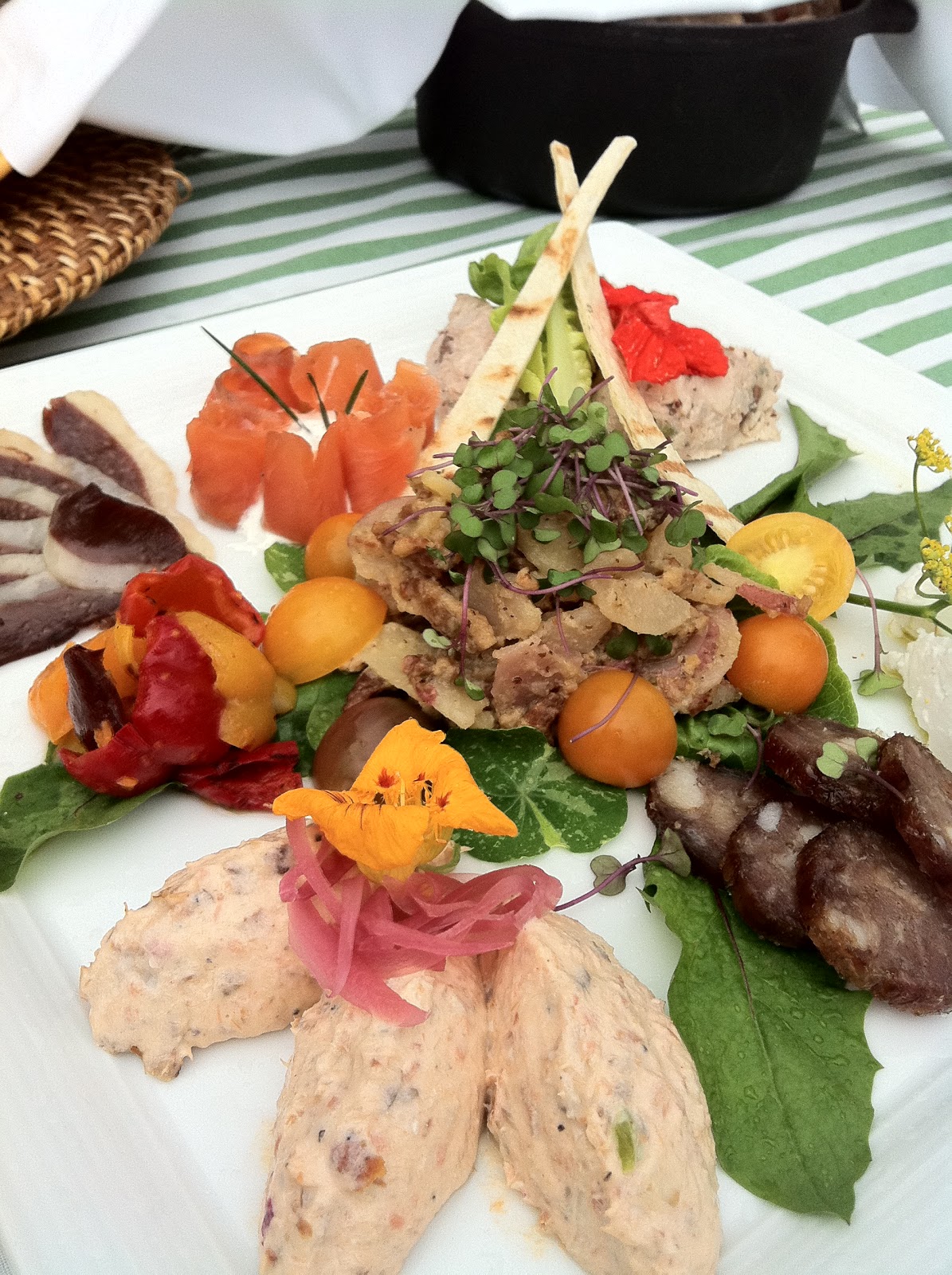
Don't Pressure Her to Order the Molten Chocolate Love Cake
This week of Valentine’s Day dinner dates seems like a good time to address the dining differences between the sexes. She’s on a diet; he wants a big steak is a stereotype of course so researcher Dr. Gayle Timmerman of the University of Texas at Austin put restaurant eating behaviors to the test. In a survey of 146 male and female adults she set out to identify sex differences in the strategies used and barriers encountered when attempting to dine out healthfully in restaurant settings. Turns out there is more compatibility than conflict at the table –good news for couples sharing a romantic meal and discussing the menu any time of year. As reported in the medical journal - Preventing Chronic Disease - Timmerman discovered the top strategies for managing weight for both women and men included saying “no’ to sugary drinks and ‘yes’ to steamed vegetables and whole grain options. Both men and women were good listeners paying attention to hunger cues to stop eating when they felt full. Meanwhile, both sexes included rarely asking the chef to make something special that was lighter in fat and calories. Where is Meg Ryan when you need her?
Dining Differences
OK guys don’t be surprised if your date asks for part of her meal to-go and think of the money you’ll save if she just wants an appetizer for dinner Compared with men, Timmerman found that women more frequently shared appetizers, substituted an appetizer for a meal, ate a salad for the main course, ordered salad dressing on the side, had half of the meal packaged to go, and shared a meal with a dining partner. More women choose mustard over mayo and order foods grilled, broiled or poached.
But, you might have to help her tell the server to remove the bread basket. Turns out men in the study didn’t perceive that as a barrier. And don’t pressure her to order the molten chocolate love cake for dessert. Women reported that eating when not hungry to please other people was an “overwhelming barrier.”
Shared Challenges
While there are plenty of healthy options on many menus today, research shows that the more we eat out the more we weigh. Forty percent of Americans dine away from home at least three times per week. Several factors driving what we order and how much we consume when dining out include taste, portion size, emotional needs, perceived value, and social interaction. All of these things can lead to over consumption for both men and women including a busy lifestyle, being overly hungry when eating out and not wanting to waste big portions. That’s why Timmerman and other behavioral scientists watch what we eat to help tailor effective weight management advice that’s personalized to fit men, women, children and a diversity of lifestyles, food preferences and settings.
Carolyn O’Neil is a registered dietitian and co-author of “The Dish on Eating Healthy and Being Fabulous!” Email her at carolyn@carolynoneil.com
The Dish On Dieting serves up the latest and greatest information on food,nutrition and cuisine with an emphasis on healthy eating out. Dietitian and author of The Slim Down South Cookbook and The Dish on Eating Healthy and Being Fabulous!,Carolyn O'Neil shares her diet and fitness insights, food finds, recipes and more to help you learn the dish on dieting,eating healthy and being fabulous! All illustrations on this blog are by the talented Laura Coyle.
Saturday, February 11, 2012
Monday, January 30, 2012
Super Bowl Snacks to Fill Nutrition Gaps!
Game on!
There’s almost as much hype about the menu for Super Bowl parties as there is about the big game. Many restaurants, bars and food markets have their flags flying high with special football focused menus to attract hungry fans. Super Bowl Sunday is a big day for food. Some say it’s the second biggest day of over-zealous eating next to Thanksgiving. Fans will be snacking before kick-off and all the way through half-time to the final cheers and trophy presentation to feed their nerves and celebrate the great plays with nachos, wings, pizza, burgers, ribs, submarine sandwiches, guacamole, chips and plenty of beer.
Add to the scrimmage nutrition experts who are out in numbers to throw a cautionary “flag on the field” to evaluate high calorie menu choices. After all, weren’t we just talking about New Year’s diet resolutions a month ago? There are some fairly simple ways to lighten up football food favorites. Use low fat sour cream or Greek yogurt in dips. Try to calm your nerves by crunching on celery sticks instead of diving into the tortilla chips. Use a small plate to create your game day meal plan instead of mindlessly grabbing finger foods so you lose track of your intake score. Tackle the stuff you really crave first such as guacamole with a few chips or small order of wings and then move down the field to secondary players when you’re not as hungry so you won’t eat as much.
Super Bowl Scores for You Snacks, such as those served on game days, may have the reputation for being high calorie extras but they can play starring roles by saving the day with nutrients you may be missing in other meals. According to the U.S. Department of Agriculture, many Americans fall short of the nutrition goal post for these seven nutrients: fiber, calcium, potassium, magnesium and vitamins A, C and E.
Here’s how to snack on Super Bowl Sunday to boost your health. Game on!
Fiber: “The Safety” –aids digestion, lowers cholesterol and linked to appetite satiety. Foods: whole grain crackers, tortillas, bread, fruit, vegetables.
![]() |
| Broaden the veggie team to include cucumbers, cauliflower, broccoli, bell peppers, zucchini and yellow squash. |
Calcium: “The Running Back” - supports bone health and healthy blood pressure.
Foods: Fat free or low fat milk or chocolate milk, yogurt or frozen desserts, low fat string cheese and Greek yogurt in dips. New research from the University of Maine shows that drinking one glass of milk per day boosts mental power in visual, verbal and memory tests. Think fast: should we run the ball or throw it?
Potassium: “The Wide Receiver” -regulates blood pressure to keep the cardiovascular system healthy and strong. Foods: citrus, citrus juices, cantaloupe, banana and green leafy vegetables including popular spinach dip made with frozen chopped spinach!
Vitamin E: “The Nose Guard” -supports immune system, healthy skin and works as antioxidant to lower risk of heart disease and cancer. Foods: Avocado in guacamole, in salads and on sandwiches. Nuts including walnuts, almonds and Georgia pecans.
![]() |
| California Haas Avocados smooth, creamy and rich source of Vitamin E. |
Magnesium: “The Offensive Guard”- needed for bone and muscle health, nervous system and heart health. Foods: Pumpkin seeds, spinach, black beans, shrimp and soy beans. Calm close score nerves with healthy peel-and-eat shrimp and edamame beans.
Vitamin A: “The Kicker”-needed for healthy eyesight, skin and immune system. Foods: Orange colored produce such as tomatoes in salsa, carrots and mango.
Vitamin C: “The Quarterback” – lead player in looking and feeling good by supporting immune system, wound healing and healthy skin. Foods: Citrus, strawberries, bell peppers and tomatoes found in salsas! Hey add some chopped orange segments to the salsa too.
Friday, January 27, 2012
Fresh Start Diet
Looking to lose weight this year? It remains one of the most popular resolutions. But research shows the most successful dieters -- those who lose weight and keep it off for the long haul -- practice healthy eating and exercise habits all year long. They don’t have New Year’s diet resolutions because they don’t make big promises that are impossible to keep. For instance, if you’ve ever vowed on January 1st that “I’ll never eat ice cream again!” or “I’ll never order French fries again!” you made one of the biggest New Year’s diet mistakes -- biting off more than you can chew. Instead, set a time limit or portion limit. “I’ll only eat French fries once a month.” Or “I’ll only eat ice cream in a really small bowl.”
Whether it’s the last week of January or first day of June, there’s no time like the present for new beginnings. Here’s a simple guide to help you hit the reset button on food and fitness habits. Follow these FRESH start rules to launch a healthier new you.
F- Freshen up your food life - Think fresh fruit and veggies first. Fill up your plate with produce and go beyond the usual broccoli and green beans. Restaurant chefs are more creative than ever before with vegetable side dishes. A recent lunch at Farmstead restaurant in St. Helena, Calif. was a sensible serving of sole with lots of braised carrots and fennel lightly sauced with lemon and butter. Delicious vegetable sides at Valenza in Brookhaven include braised kale and roasted cauliflower. In veggies and grains, fiber adds good health and helps you feel full longer. So choose whole grain breads, pastas, pizza crusts and go for the brown rice instead of white. Think whole grains! The nutty flavors are palate pleasing in granola bars, cereals and your favorite shape of pasta. Sunbelt Bakery makes the best raisin and date granolas for breakfast!
R- Recognize barriers - Embrace and understand your favorite food splurges. Whether it’s chocolate cake or pasta with cheese sauce, it’s going to be tough to say ‘no’, so accept the power of your splurge foods and resolve to enjoy them in small quantities. Use a small plate to serve yourself. Research shows your mind will think it looks like a lot more food than the same amount on a large plate. Crave the bubbles in soft drinks but want something healthier? Make your own at eateries by asking for club soda mixed with a splash of orange juice or pomegranate juice.
E- Enjoy the taste of eating right – Did you know that steamed shrimp, roast beef, sirloin steak, Canadian bacon, boiled eggs, barbecued chicken and roasted pork loin are all diet-friendly lean protein choices? Feel free to add low-cal flavor with mustards, horseradish, cocktail sauce, hot sauces and salsas. Get excited about the crunch of fresh vegetables in a salad, not the croutons! The green salad served at Bistro Niko in Buckhead features the peppery punch of radishes.
Whether it’s the last week of January or first day of June, there’s no time like the present for new beginnings. Here’s a simple guide to help you hit the reset button on food and fitness habits. Follow these FRESH start rules to launch a healthier new you.
![]() |
| Garden Fresh Flavors |
F- Freshen up your food life - Think fresh fruit and veggies first. Fill up your plate with produce and go beyond the usual broccoli and green beans. Restaurant chefs are more creative than ever before with vegetable side dishes. A recent lunch at Farmstead restaurant in St. Helena, Calif. was a sensible serving of sole with lots of braised carrots and fennel lightly sauced with lemon and butter. Delicious vegetable sides at Valenza in Brookhaven include braised kale and roasted cauliflower. In veggies and grains, fiber adds good health and helps you feel full longer. So choose whole grain breads, pastas, pizza crusts and go for the brown rice instead of white. Think whole grains! The nutty flavors are palate pleasing in granola bars, cereals and your favorite shape of pasta. Sunbelt Bakery makes the best raisin and date granolas for breakfast!
R- Recognize barriers - Embrace and understand your favorite food splurges. Whether it’s chocolate cake or pasta with cheese sauce, it’s going to be tough to say ‘no’, so accept the power of your splurge foods and resolve to enjoy them in small quantities. Use a small plate to serve yourself. Research shows your mind will think it looks like a lot more food than the same amount on a large plate. Crave the bubbles in soft drinks but want something healthier? Make your own at eateries by asking for club soda mixed with a splash of orange juice or pomegranate juice.
E- Enjoy the taste of eating right – Did you know that steamed shrimp, roast beef, sirloin steak, Canadian bacon, boiled eggs, barbecued chicken and roasted pork loin are all diet-friendly lean protein choices? Feel free to add low-cal flavor with mustards, horseradish, cocktail sauce, hot sauces and salsas. Get excited about the crunch of fresh vegetables in a salad, not the croutons! The green salad served at Bistro Niko in Buckhead features the peppery punch of radishes.
S- Start new habits - Keep a list of what you’re eating and drinking for a few days. Be as specific as possible on types of foods and amounts. Don’t know what a cup of mashed potatoes looks like? Get some measuring cups out and become familiar with portion sizes. This snap shot will help you keep track of over eating and while you’re at it -- write down your physical activity. Or literally take a snap shot of meals and snacks with your phone. Research shows those who are mindful of what they eat are more successful with weight loss goals.
H- Have a plan – Eat breakfast. Schedule time to take a walk or go to that yoga class. If you’re eating out tonight, eat less at lunch and walk more tomorrow. If there’s a road trip on your schedule, pack fresh fruit and a whole grain granola bar such as the ones from Sunbelt Bakery under 150 calories per serving. Curb your hunger so you aren't tempted to stop at a fast food joint. Successful long term weight control is a balancing act.
Tuesday, January 17, 2012
Of diets and detox
Weighty Nutrition Truths
Talk about taking one for the team!
While millions of Americans try to eat less to weigh less, a group of 25 healthy volunteers at the Pennington Biomedical Research Center in Baton Rouge agreed to pig out in the name of science by consuming nearly 1000 extra calories a day. Their mission was to help weight control researchers figure out if weight gain varies from person to person when they over-eat and how much is stored as body fat.
Did they all gain weight? Yes, they each packed on nearly eight pounds of body fat. But, the total number of pounds gained – as measured on a scale - was dependant on the percentage of protein in their meals. The group eating less protein gained less weight.
As reported in this month’s Journal of the American Medical Association eating a low protein diet (5% of calories from protein) causes the body to lose more lean body tissue compared to a normal (15% of calories from protein) or a high-protein diet (26% of calories from protein). The low-protein group gained half as much total weight as the other groups but it was due to muscle loss not because they stored less fat. In fact, Dr. George Bray, the study leader, reports that the low-protein group stored more than 90 percent of the extra calories as body fat. So, the numbers on the scale aren’t a good guide to tell you where the pounds are going.
More Protein?
Based on these new findings, there’s more reason to pay attention to protein. That doesn’t mean you have to mainline meats or protein powders. The USDA’s My Plate guidance to eat 6 to 8 ounces of protein foods a day is what’s recommended to protect your muscles. Unfortunately, research studies such as this one from Bray often get misinterpreted and misunderstood. Some may conclude eating more protein will help you lose weight; others might think limiting protein aids weight loss. Neither assumption is true. What is true is that over eating regardless of the food source leads to fat storage. No protein miracle cures, sorry.
Understanding Studies
“We get information in snippets about a study,” says Atlanata resident Robert Davis, PhD, author of Coffee is Good for You: the Truth about Diet and Nutrition Claims. “What is the whole picture? To look at a puzzle we must put all of the pieces together.” Davis’ new book debunks popular myths and points to what’s proven. He says nutrition scientists are closer to the truth now more than ever but many people are still misled by unfounded food fads such as “detox” diets. “Your body does not need to be detoxed,” says Davis referring to severely restrictive juice cleanses and regimens often including laxatives and herbal supplements. “Repeated and prolonged detox dieting can potentially lead to vitamin and mineral deficiencies, muscle breakdown and blood sugar problems.” If a “detox” plan leads to weight loss he says it’s because you’re cutting back on calories. The book includes a valuable explanation of the types of research used to study health from preliminary test tube studies to gold standard randomized clinical trials – the kind used by Bray in his weight gain research.
Talk about taking one for the team!
While millions of Americans try to eat less to weigh less, a group of 25 healthy volunteers at the Pennington Biomedical Research Center in Baton Rouge agreed to pig out in the name of science by consuming nearly 1000 extra calories a day. Their mission was to help weight control researchers figure out if weight gain varies from person to person when they over-eat and how much is stored as body fat.
Did they all gain weight? Yes, they each packed on nearly eight pounds of body fat. But, the total number of pounds gained – as measured on a scale - was dependant on the percentage of protein in their meals. The group eating less protein gained less weight.
As reported in this month’s Journal of the American Medical Association eating a low protein diet (5% of calories from protein) causes the body to lose more lean body tissue compared to a normal (15% of calories from protein) or a high-protein diet (26% of calories from protein). The low-protein group gained half as much total weight as the other groups but it was due to muscle loss not because they stored less fat. In fact, Dr. George Bray, the study leader, reports that the low-protein group stored more than 90 percent of the extra calories as body fat. So, the numbers on the scale aren’t a good guide to tell you where the pounds are going.
More Protein?
Based on these new findings, there’s more reason to pay attention to protein. That doesn’t mean you have to mainline meats or protein powders. The USDA’s My Plate guidance to eat 6 to 8 ounces of protein foods a day is what’s recommended to protect your muscles. Unfortunately, research studies such as this one from Bray often get misinterpreted and misunderstood. Some may conclude eating more protein will help you lose weight; others might think limiting protein aids weight loss. Neither assumption is true. What is true is that over eating regardless of the food source leads to fat storage. No protein miracle cures, sorry.
Understanding Studies
“We get information in snippets about a study,” says Atlanata resident Robert Davis, PhD, author of Coffee is Good for You: the Truth about Diet and Nutrition Claims. “What is the whole picture? To look at a puzzle we must put all of the pieces together.” Davis’ new book debunks popular myths and points to what’s proven. He says nutrition scientists are closer to the truth now more than ever but many people are still misled by unfounded food fads such as “detox” diets. “Your body does not need to be detoxed,” says Davis referring to severely restrictive juice cleanses and regimens often including laxatives and herbal supplements. “Repeated and prolonged detox dieting can potentially lead to vitamin and mineral deficiencies, muscle breakdown and blood sugar problems.” If a “detox” plan leads to weight loss he says it’s because you’re cutting back on calories. The book includes a valuable explanation of the types of research used to study health from preliminary test tube studies to gold standard randomized clinical trials – the kind used by Bray in his weight gain research.
Monday, January 2, 2012
Time to Delve into 2012!
Tasty and Healthy Food Trends for the New Year
Can’t decide between a side of the down home locally grown vegetables or the international taste adventure of a Korean kimchee? Then you’re smack dab in the middle of two colliding culinary trends predicted for the New Year. We want the world, but we want to support local farmers and producers.
Chef Micah Willix of recently opened Latitude Food and Drink in Buckhead has found a way to satisfy both of those cravings. His globally inspired cuisine is a delicious mélange of flavors from the Mediterranean, Asia and South America all featuring many ingredients from around the southeast.
![]() |
| Chef Micah Willix with guests at Latitude |
![]() |
| Farmer Dave Taylor's Chefs' Garden for Old Edward's Inn |
More farmers on the menu. The National Restaurant Association’s annual “What’s Hot?” menu trend survey of chefs places locally sourced meats, seafood, produce as well as alcoholic beverages in the top ten for 2012. Dietitian Joy Dubost, director of Nutrition & Healthy Living for the NRA says, “Local farms and food producers have become an important source of ingredients for chefs and restaurateurs wishing to support the members of their business community and highlight seasonal ingredients on menus.”
Nutrition plus: organic and locally grown produce often tastes the best.
World Tours- “Cooking is at a crossroads where everything collides!” according to restaurant consultant, Michael Whiteman of Baum & Whiteman. Their 12th annual menu trend prediction list says from tortillas to tarragon we still want the world on our plates, “The wilder, the better. After all, if your new car’s parts come from around the world, why shouldn’t your sandwich ingredients?”
![]() |
| Just a tiny taste of the spice selection at the Culinary Institute of America Napa Valley campus! |
Nutrition plus: Borrowing from the world’s spice cabinet from Spanish saffron to Indian curry powders you can add flavor to food without as much salt.
Healthy Kid Stuff- Children’s menus continue to get an overhaul in 2012. Dubost says, “Nutrition - especially when it comes to children – is becoming a major focus for the nation’s nearly one million restaurants, in tune with consumers’ increasing interest in healthful eating.” The NRA’s annual convention in 2012 will feature a new Healthier Kids Fare Pavilion to showcase healthful children’s options.
Nutrition plus: The NRA’s Kids Live Well program helps restaurants develop menu items that meet specific and strict nutrition criteria.
Veggie Variety- Side dishes continue to gain gourmet steam as chefs put more effort into quality and quantity of choices. Willix’s warm beets with tarragon and smoked fingerling potatoes are show stoppers.
Nutrition plus: easier to eat your vegetables.
Gulping the Garden- Think way beyond the Bloody Mary as kitchens and bars continue to collaborate in 2012. The category of “culinary cocktails” made the NRA’s list of top trends. Mixologist Thomas Keenan at the Old Edwards Inn in Highlands, North Carolina creates refreshing blends of beet juice, broccoli, cucumber, herbs and edible flowers get a kick from vodka, tequila, rum, brandy or moonshine.
Nutrition plus: The drinks are made with vitamin and antioxidant rich fresh fruit and vegetables.
![]() |
| Would you like a little or a lot? |
Have it Your Way- Expect an easier time asking for ‘sauce on the side.’ Mintel Research predicts more consumer control in 2012 as customized ordering systems will continue to flourish, as will greater flexibility in menu design.
Nutrition plus: Special menu requests help you control the salt, fat and calorie content of your meal. Gluten free choices more mainstream too.
Tuesday, December 20, 2011
Color Me Slim
Deck the halls with boughs of holly, tinsel and lights. Put on sparkly holiday fashions and let your makeup glow. But when it comes to going all out enjoying the festive meals and sweet goodies of the season remember to accessorize with care. Go easy on high calorie add-ons such as nuts, cheese, cream sauces, dips, gravy, butter, sugar and whipped cream – small additions that can add up to plenty around your waistline. That dress you bought on sale back in November for a New Year’s Eve bash may not zip up as easily now. Trim calories wherever you can so you can use them on the splurge foods you don’t want to miss.
Of course, managing calorie intake isn’t a simple task and is especially challenging during the holidays. On a typical day, a person makes over 200 decisions about food. That’s according to Dr. Brian Wansink of Cornell University, author of Mindless Eating: Why We Eat More than We Think. Wansink’s research was the first to show that choosing a smaller plate during a holiday buffet, for instance, would help folks think they were eating more than they did. New research to be published in the Journal of Consumer Research reveals that even plate color can affect how much we eat – and there’s certainly plenty of color festooning holiday tables.
Wansink says, “In a groundbreaking new study we found that the color contrast between the plate and food may have a tremendous impact on how much people serve themselves.” Partygoers in the study were directed to buffets serving pasta with either tomato or Alfredo sauce and randomly given red or white plates. Participants who had low-contrast between the food and plates (red pasta on a red plate, or white pasta on a white plate) served themselves approximately 22% more than participants with high-contrast food and plates (red pasta on white plates, or white pasta on red plates). So, to help trick yourself into eating less, choose dinnerware that contrasts the color of your food. Whether on paper or china the serving size of mashed potatoes, for instance, is more obvious on bright red and green holiday plates.
![]() |
| Bobbie Batista, Teya Ryan and Carolyn O'Neil at Turner Reunion Holiday Party |
Where the bowls are- Don’t sit so close to the buffet table. Wansink’s study “Serve Here, Eat There” showed that leaving some distance between you and the food resulted in men eating 29% fewer and women 10% fewer calories.
![]() |
| Liz McDermott in Sleek Chic |
Wear Something Sleek- Wearing body conscious clothes will serve as a reminder that you can't overeat advises dietitian Heather Bauer, author of “Bread is the Devil” out in January. She says, “Guys, you don't get a free pass here.”
Be Sociable- Wait at least 20 minutes before eating at an event. Bauer suggests, “Make at least one full lap around a party to greet people before starting in on the appetizers.”
Don’t Go Hungry- Consider it nutrition pre-gaming says Bauer. By eating a pre-party snack you won’t be so ravenous that hurdle past other guests to get to the parmesan artichoke cheese dip.
Give the Gift of Health - Here are a few bright ideas for last minute gifts in the
healthy eating category.
Salad spinner- create a gift basket with olive oils, mustards and vinegars.
Slow cooker- one of the best ways to tenderize tasty cuts of lean meat.
Microplane grater - for zesting citrus, grating whole spices to add flavor without calories
Specialty spices – more expensive spices like cardamom, vanilla, saffron, smoked paprika and curry powders are elegant gifts to add flavor and healthy antioxidants with no calories.
Immersion blender – make rich and creamy textured soups and sauces from cooked vegetables without the need for much or any cream.
Restaurant guides- a Zagat Guide for your friend’s city will help them plan what and where to eat when dining out. Whether they’re craving Beef Bourguignon or Barbecue they can find names and locations of restaurants, check out an eatery’s menu and select healthier menu options ahead of time. The latest Atlanta Zagat Guide is the 19th edition.
Subscribe to:
Posts (Atom)